Does Your Church Prioritize the Next Generation?
The Missions Budget Challenge: A Wake-Up Call for the Church
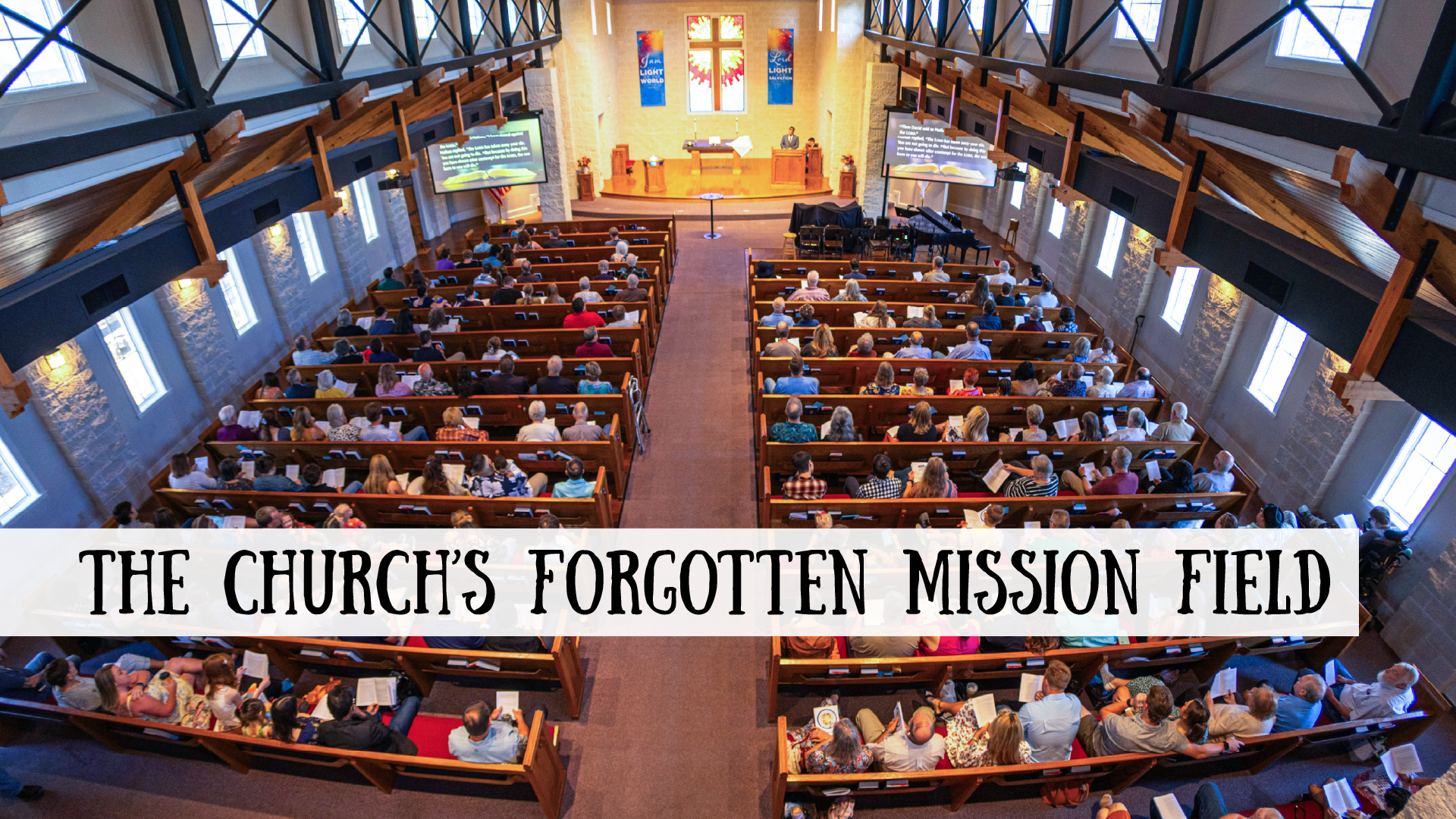
What if the most urgent mission field is sitting in your pews?
Pastors, elders, and church leaders—here’s a simple but sobering question:
How much does your church invest in foreign missions, compared to how much you invest in helping the children of your own church receive a Christian education at home?
This is what we call the Missions Budget Challenge.
Take a moment and consider it honestly.
Look at your church’s missions budget. Many churches faithfully support missionaries around the world, and that is a beautiful and biblical priority. The Great Commission calls us to make disciples of all nations.
But here is the challenge:
What are we doing to disciple the next generation sitting right in front of us every Sunday?
The Mission Field in the Church
In most churches today, the vast majority of children are educated by the state.
Current estimates suggest well over 80% of kids in Christian families attend government schools.
For roughly 30 hours a week, 9 months a year, for 12–13 years, these children are immersed in an educational system that is not neutral.
In many places, that system actively teaches:
Secular humanism
Moral relativism
Radical individualism
Destructive gender ideology
Marxist-influenced views of government and society
Meanwhile, the church often sees those same children for only a few hours each week.
Even the most faithful pastors, youth pastors, and parents struggle to compete with that level of cultural formation.
And the results are becoming painfully obvious.
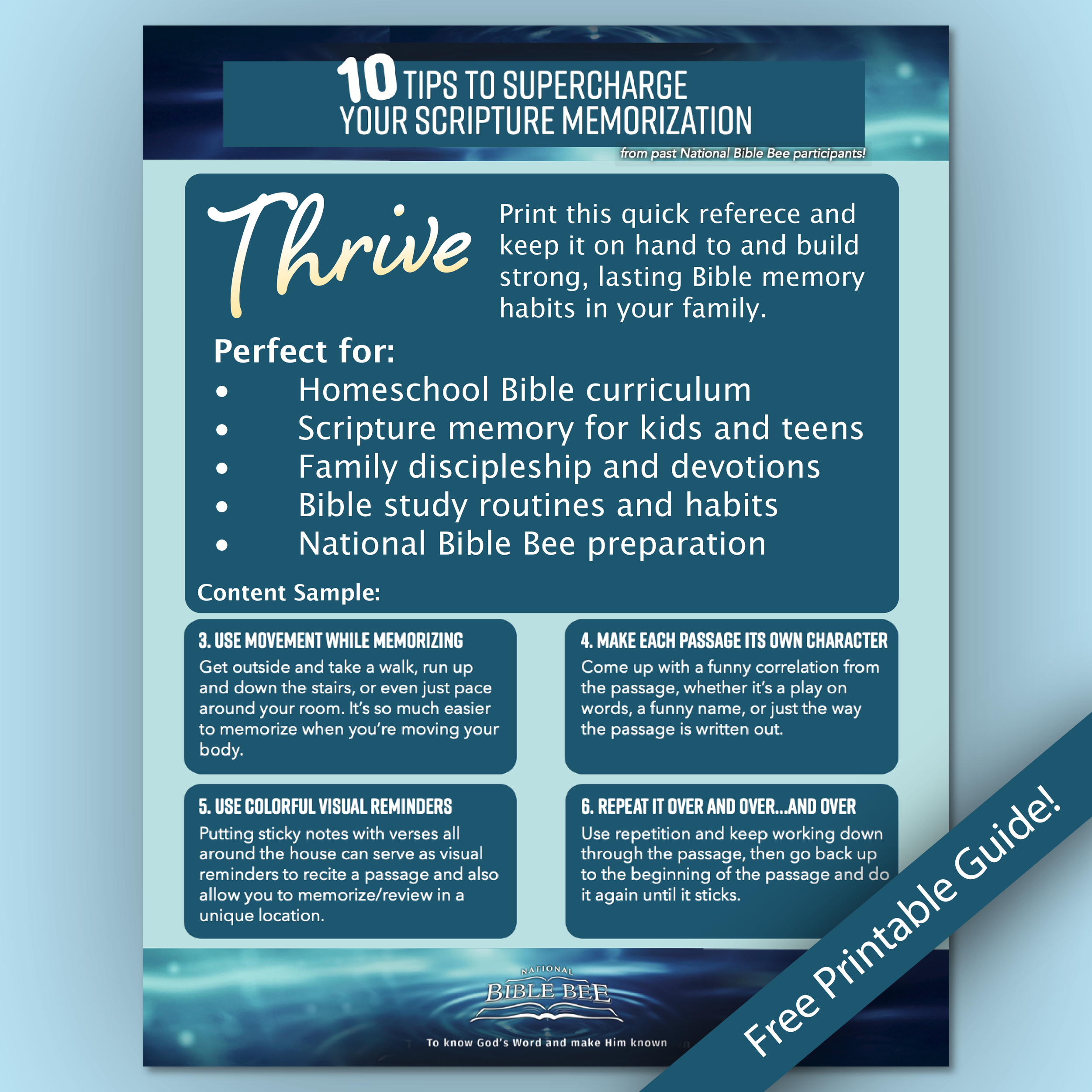
Looking for a simple, effective way to help your kids memorize Scripture? This free homeschool Bible printable—“10 Scripture Memorization Tips for Kids”—is designed to help Christian homeschool families build strong, lasting Bible memory habits.
Created with insights from past National Bible Bee participants, this printable gives your students proven Scripture memorization strategies that actually work. Whether your child is memorizing short Bible verses or longer passages like Psalm 119, these practical tips will help them retain, recall, and love God’s Word.
This resource is perfect for Christian homeschool curriculum, family Bible study, morning time, or independent memory work. With easy-to-apply techniques like repetition, movement, visual cues, and daily review, your child will gain confidence and consistency in hiding God’s Word in their heart.
More than just a study tool, this printable supports your mission of raising children who know Scripture, follow God’s ways, and grow in their faith.
Perfect for:
Homeschool Bible curriculum
Scripture memory for kids and teens
Family discipleship and devotions
Bible study routines and habits
National Bible Bee preparation
Download this free Bible printable today and start building a strong foundation of Scripture memorization in your homeschool.
Free printable provided by the National Bible Bee.
Join the National Bible Bee on a 10-week Bible adventure where kids ages 5-18 memorize God’s Word, master 11 proven study tools, and have a chance to compete for $135,000. Use code Rocked26 to save 10% on registration!
The Generational Crisis
Study after study shows that a majority of young people who attend public schools—even those raised in church—walk away from their faith after leaving home.
This isn’t simply a youth ministry problem.
It’s a discipleship problem.
If the next generation spends the majority of their formative years being shaped by a worldview that contradicts Scripture, we should not be surprised when many of them adopt that worldview.
As the old saying goes:
“Whoever controls the education of the children controls the future.”
For generations, the church has invested heavily in overseas mission fields—and rightly so.
But we must also recognize a critical reality:
The children of the church are themselves a mission field.
A Simple Challenge for Church Leaders
Here is the Missions Budget Challenge:
Compare what your church spends on foreign missions with what you spend helping parents give their children in a Christ-centered education at home.
For many churches, the answer is startling.
Some churches support dozens of missionaries around the world.
But they provide little to no support for families who want to educate their children at home.
Imagine if churches began to see Christian home education as part of their missions strategy.
Imagine if even a small portion of missions budgets went toward:
Helping families begin homeschooling
Providing curriculum assistance
Offering classroom space for co-ops to meet
Training parents to disciple their children daily
This is not about reducing support for missionaries.
It’s about recognizing the mission field God has already placed within our own congregations.
The Church’s Opportunity
The early church transformed the world not simply through preaching, but through discipleship that shaped entire lives and families.
Christian home education is one of the most powerful tools we have to:
Raise children who know God’s Word
Develop a biblical worldview
Strengthen Christian families
Prepare the next generation of church leaders, missionaries, and culture-shapers
When parents take responsibility for discipling and educating their children, the results are remarkable.
Faith becomes integrated into every subject, every conversation, and every day of life.
That kind of discipleship doesn’t happen accidentally.
It happens intentionally.
A Call to Pastors and Church Leaders
Pastors, here is our challenge to you:
Take one evening and watch the documentary
Schoolhouse Rocked: The Homeschool Revolution
with your leadership team.
Consider what it would look like for your church to become a launching pad for this type family discipleship.
Ask questions like:
How can our church support homeschooling families?
How can we equip parents to disciple their children?
How can we treat Christian home education as part of our mission?
If you’re not sure where to begin, we would love to help. We have a wealth of free resources to help families start strong and finish well.
This Could Be the Beginning of Revival
A simple, faith-centered roadmap to help you start homeschooling with confidence
Feeling overwhelmed about how to begin homeschooling? You’re not alone—and you don’t have to figure it out on your own.
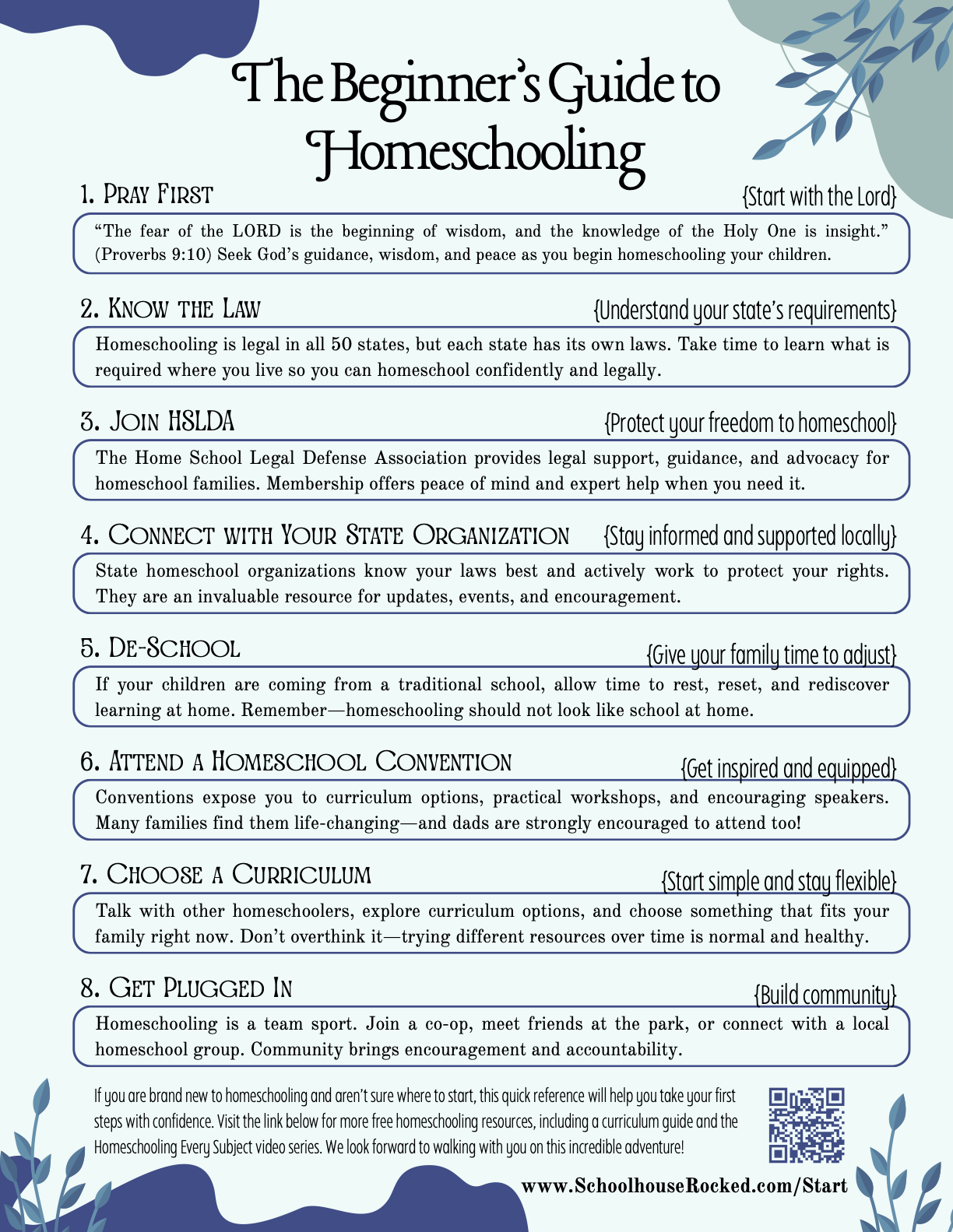
A Beginner’s Guide to Homeschooling is a free, one-page printable designed to walk new homeschool families through the most important first steps, with clarity, encouragement, and biblical perspective.
This quick-reference guide covers:
Praying for wisdom and direction
Understanding homeschool laws in your state
Protecting your family legally
Finding local support and community
De-schooling after traditional education
Attending homeschool conventions
Choosing curriculum without stress
Whether you’re just starting to explore homeschooling or preparing to take the leap, this guide will help you move forward with confidence—one step at a time.
Perfect for:
New homeschool parents
Families transitioning out of public or private school
Moms looking for a clear, biblical starting point
Download this free printable and take your next step toward a joyful, confident homeschool journey.
Consider what it would look like for your church to become a launching pad for this type family discipleship.
Ask questions like:
How can our church support homeschooling families?
How can we equip parents to disciple their children?
How can we treat Christian home education as part of our mission?
If you’re not sure where to begin, we would love to help. We have a wealth of free resources to help families start strong and finish well.
This Could Be the Beginning of Revival
Throughout history, revivals have always involved a return to God’s Word and a return to generational discipleship.
What if the next revival begins with parents reclaiming the responsibility to train their children in the Lord?
What if churches begin investing in the discipleship of the next generation with the same passion they invest in missions overseas?
The future of the church will not only be decided in seminaries, pulpits, or mission fields. It will be decided in living rooms, around kitchen tables, and in homes where parents are faithfully discipling their children.
The mission field is closer than we think.
And the time to act is now.
This is the revival.
Photo by Benito sanity on Unsplash
